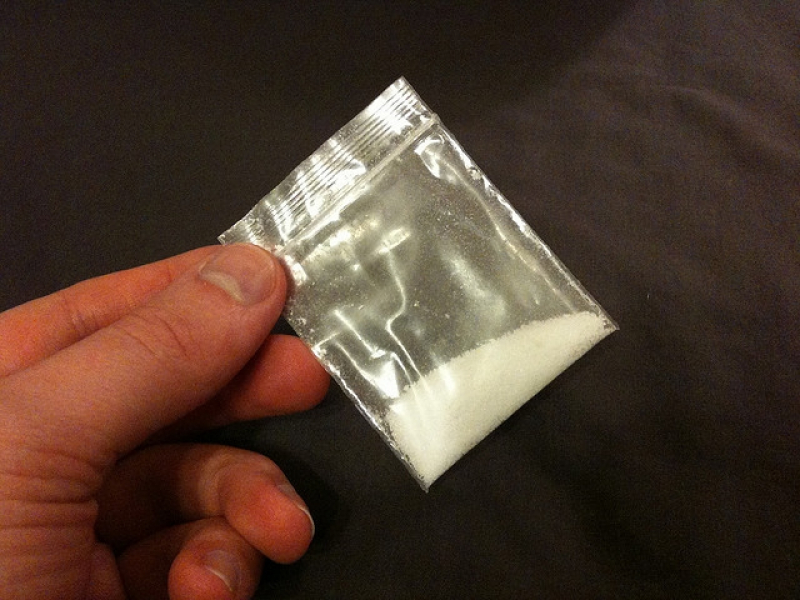
Anisatin

$608,00

Human weight: no more than 150 kg
Form: powder
Composition: anisatin, flavoring agent, inhibitor
Country of origin: Japan
Active ingredient: anisatin
Concentration: 97%
Weight: 1 g

Additional security service

Order total:

Description

C15H20O8 is a neurotoxic terpene found in the fruits of the Illicium anisatum plant (Japanese star anise, not to be confused with the edible star anise Illicium verum).
It is used only in toxicological studies and pharmacological toxinometry.
It is not used in cooking or medicine.
Poisoning often occurs when Japanese star anise is accidentally consumed instead of edible star anise.
Anisatin is a potent GABA (gamma-aminobutyric acid) receptor antagonist in the central nervous system.

It causes uncontrolled neuronal excitation, convulsions, and spasms of the respiratory muscles.

It is a strong gastrointestinal irritant.

It is highly toxic even at low doses.

It is toxic by ingestion, inhalation, and contact with mucous membranes.

Lethal dose:
For humans, it is estimated to be 5-10 mg/kg body weight.

The lethal dose for an adult may be approximately 0.3-0.5 g of dried Illicium anisatum fruit.

Time of death:
In severe poisoning, it occurs within 1-3 hours after ingestion.

Death occurs due to convulsive respiratory paralysis or cardiac arrest.

Signs of poisoning:
• Severe nausea, vomiting, abdominal pain
• Dizziness, tremors, disorientation
• Convulsions (clonic-tonic), hyperthermia
• Rapid breathing, tachycardia, cyanosis
• In severe cases, coma, respiratory arrest

It is detected in gastric contents, blood, liver, and urine.

Methods: HPLC, GC-MS, enzyme-linked immunosorbent assay.

Characteristic morphological signs include gastric and intestinal hyperemia, cerebral edema, and submeningeal hemorrhages.
Microscopy reveals signs of neurotoxic damage (neuronal destruction).

Store in a tightly sealed container.
Protect from light, moisture, and air.
Shelf life: Up to 2 years in airtight conditions.