Botulinum toxin A

$593,00

Human weight: no more than 160 kg
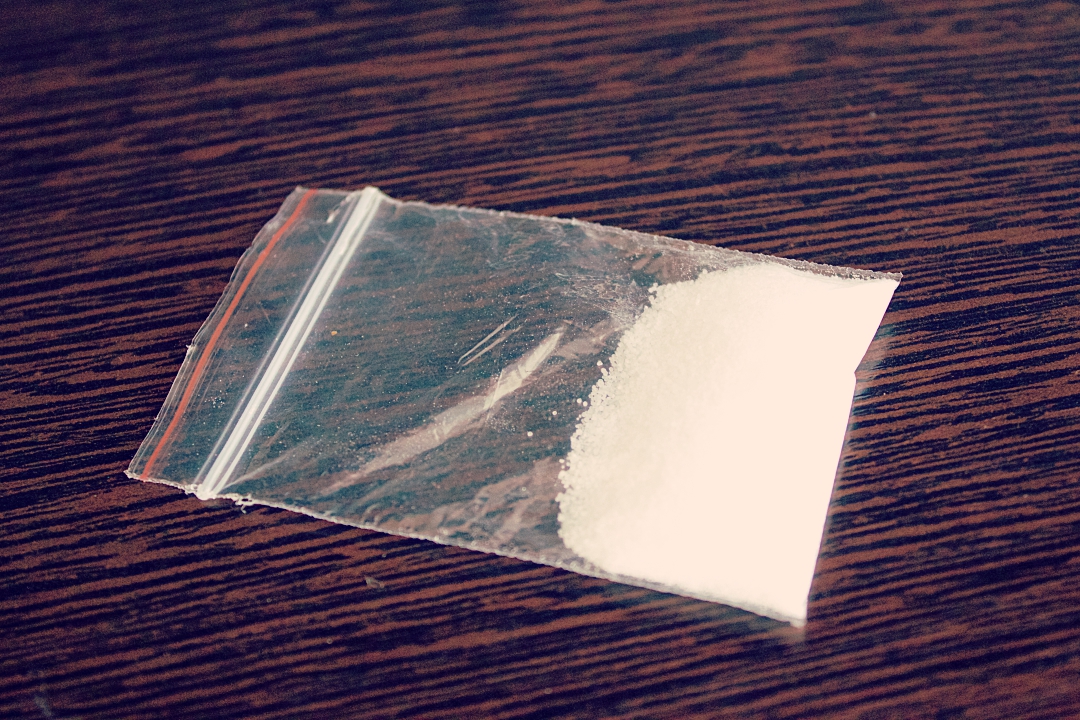
Form: powder
Composition: botulinum toxin A, flavorings
Country of origin: USA
Active ingredient: botulinum toxin A
Concentration: 93%
Weight: 0.3 g

Additional security service

Order total:

Description

C6760H10447N1743O2010S32 is a protein neurotoxin produced by the anaerobic bacterium Clostridium botulinum.
The most potent known biological poison.
It blocks the transmission of nerve impulses to muscles, causing paralysis.

In microdoses, it is used in medicine and cosmetology under the names “Botox,” “Dysport,” and others to relieve spasms, treat hyperhidrosis, and smooth out wrinkles.

In large doses, it causes the life-threatening disease botulism.
Botulinum toxin is a neuroparalytic poison that inhibits the release of acetylcholine in synapses.

The lethal dose for humans is less than 1 nanogram per kilogram of body weight when administered intravenously.

It is 10 million times more toxic than cyanide.

It remains active at low temperatures and is destroyed by boiling (100°C, 10-15 minutes).

It is especially dangerous by inhalation and ingestion.

Lethal dose:
• Oral - approximately 1 mcg/kg
• For an adult, 0.07 mg is sufficient for death.

Time to death:
The first symptoms appear 12-36 hours (sometimes up to 5 days) after exposure to the toxin.

In severe cases, death can occur within 24-72 hours due to paralysis of the respiratory muscles and cardiac arrest.

Consciousness is retained until the end.

Signs of poisoning:
• Dry mouth, difficulty swallowing, hoarseness
• Dilated pupils, double vision, ptosis (drooping eyelids)
• Weakness, impaired speech and coordination
• Drop in blood pressure, bradycardia
• Difficulty breathing, respiratory arrest
• No convulsions, complete muscle flaccidity
• Clear consciousness until asphyxia occurs

It is detected in blood, serum, stomach contents, intestinal contents, and food products.

Methods: mouse bioassay (classical), ELISA, PCR, and mass spectrometry.

The toxin persists in tissues for up to 10 days after death.

Characteristic symptoms include symmetrical flaccid paralysis without seizures or inflammatory reactions.

Store in a tightly sealed container.
Avoid exposure to air and light.
Shelf life: up to 1 year.