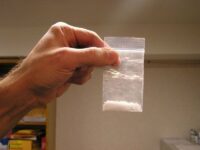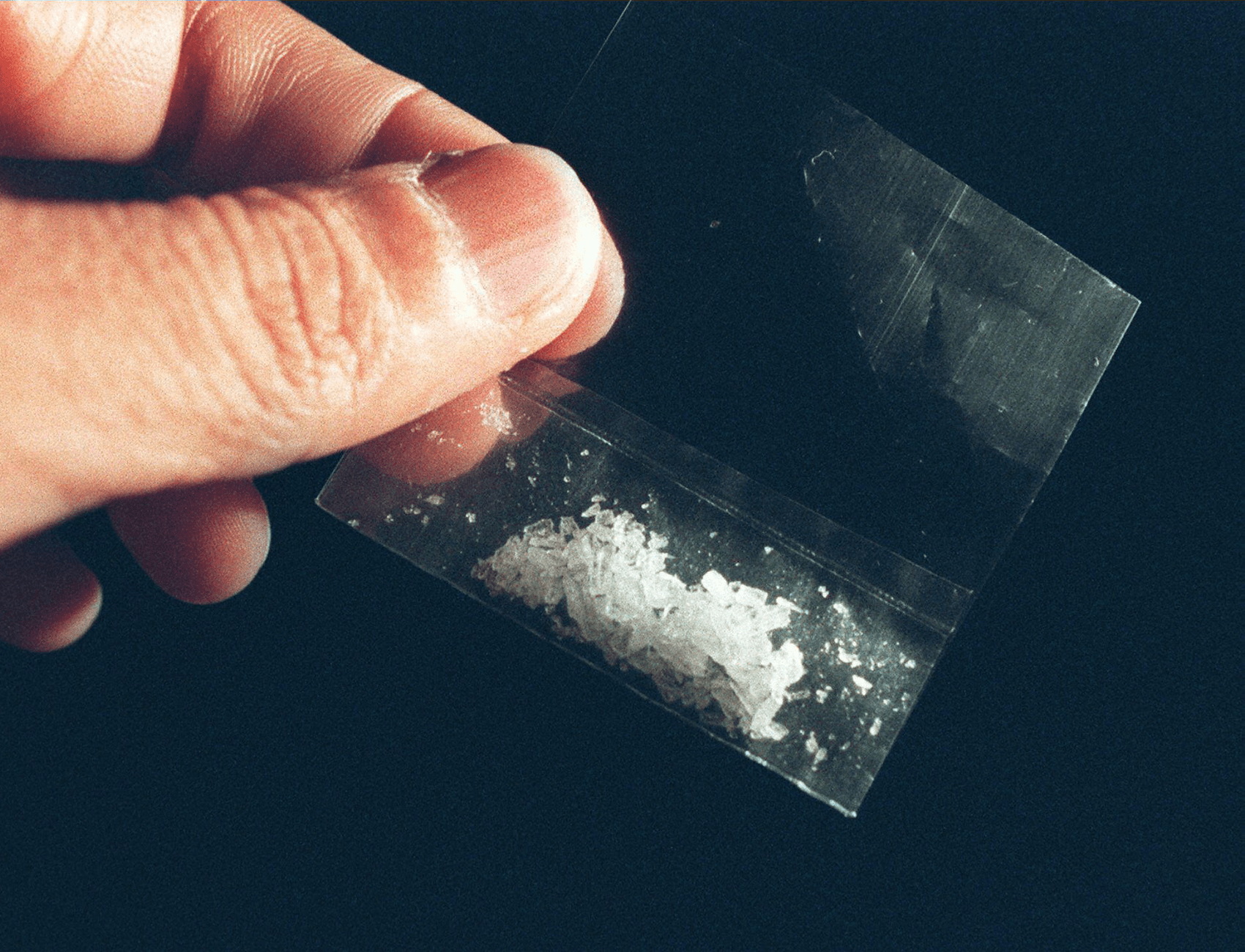
Sulema

$663,00

Human weight: no more than 140 kg
Form: powder
Composition: corrosive sublimate
Country of origin: EU
Active ingredient: corrosive sublimate
Concentration: 94%
Weight: 1 g

Additional security service

Order total:

Description

HgCl₂ is a white, odorless crystalline substance that is highly soluble in water and alcohol.

It was previously used in medicine as an antiseptic and disinfectant (“mercuric chloride water”), as well as a fixative for biological tissue.

It is currently banned for medical and household use due to its high toxicity. It is used only in analytical chemistry and laboratory research.
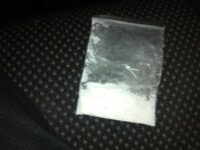
Mercury chloride is one of the most toxic mercury salts.

A potent cellular poison, it damages mucous membranes, kidneys, liver, and the nervous system.

It has a cumulative effect: with repeated doses, it accumulates in tissues, especially the kidneys and brain.

Dangerous if ingested, inhaled, or comes into contact with skin.

Lethal Dose:
Orally: 0.1-0.2 g causes severe poisoning; 0.3-0.5 g is lethal for adults.

Death is possible with 1-2 g of skin contact over prolonged periods.

Time to Death:
Ingestion: 1 to 24 hours, depending on the dose and kidney function.

Skin contact or inhalation: several days to a week, resulting in acute renal failure and toxic shock.

In chronic poisoning, death can occur months later due to damage to the central nervous system and kidneys.

Signs of poisoning:
• Severe burning sensation in the mouth, throat, and abdomen
• Vomiting blood, metallic taste in the mouth
• Painful diarrhea, dehydration
• Acute abdominal pain, cramps
• Swelling of the mucous membranes, difficulty breathing
• Later - oliguria, anuria, uremia (acute renal failure)
• With chronic exposure - tremors, irritability, memory loss, psychosis

Mercury is detected in blood, urine, liver, kidneys, and brain using atomic absorption spectrometry, mass spectrometry, or X-ray fluorescence analysis.

Traces of mercury can persist in tissues for years after death.

Characteristic findings include gastritis, mucosal erosions, and a grayish coating on the gums.

Store in a tightly sealed container.
Avoid contact with organic matter and metals.
Shelf life: no more than 3 years.